
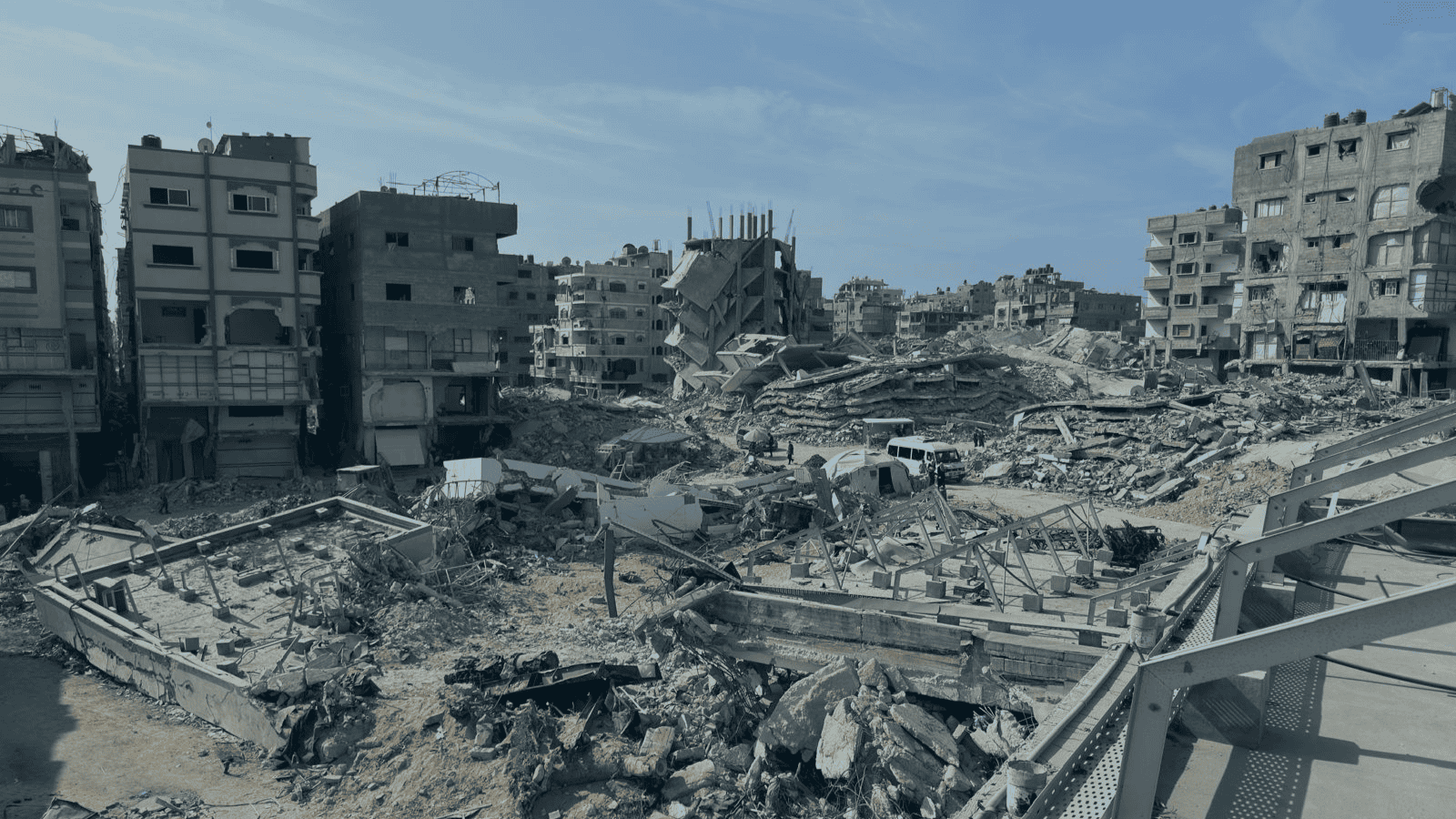

UK-Med is warning of a sharp rise in respiratory illnesses in Gaza, with cases at its two main field hospitals up to 30% higher over the last month, as winter arrives and shattered communities struggle to access basic healthcare. Hundreds of thousands of people are returning to homes and neighbourhoods destroyed over the two-year-long conflict, many with limited access to essential services including clean water, electricity, and medical care.
UK-Med is urgently expanding its medical response into Gaza City to address this growing health crisis. Thousands of families returning to the north under the current fragile truce are encountering a health system in collapse. Clinics and hospitals have been largely destroyed, water and power supplies remain unreliable, and healthcare staff lack even the most basic medical supplies, from gauze and bandages to essential medication.
With support from the World Health Organization (WHO) and Johanniter International, UK-Med is rebuilding critical medical infrastructure in Gaza City and is preparing to assist the Ministry of Health in the reopening of two primary health care centres in the coming weeks. These health facilities will provide wide ranging care, from treatment of conflict injuries and infectious diseases to cancer screening, maternal health, diabetes management and vaccination programmes.
CEO of UK-Med David Wightwick CMG said:
“Respiratory illness is rising sharply as winter arrives, and the most vulnerable – children and older adults – are at greatest risk. Primary healthcare is the foundation of a functioning health system, catching illnesses before they become life-threatening. Rebuilding these services is absolutely essential.”
Sharp rise in illness (weeks 45–48)
UK-Med’s two main field hospital facilities in Gaza – Type 2 (T2) Field Hospital in Al-Mawasi and Type 1 (T1) Primary Health Facility in Al Zawaida, Khan Younis – have reported a marked increase in respiratory cases:
- Type 2 respiratory illnesses (T2): 30% increase
- Weekly average: 2,061 cases
- Type 1 respiratory illnesses (T1): 15% increase
- Weekly average: 1,669 cases
- Main peak: Week 48
- Age group most affected: 5–60 years
In addition to this, infectious diseases are on the rise with cases of Hepatitis A, TB, and leptospirosis – a bacterial infection caused when people have contact with contaminated water or soil – reported in the facilities, resulting from the deteriorating living conditions and reduction in routine immunisation.
UK-Med has been operating in Gaza since January 2024 and has conducted over 800,000 patient consultations in:
- A Type 2 Field Hospital in Al-Mawasi, Khan Younis, providing emergency and surgical care
- A Type 1 Field Hospital in Al Zawaida, Deir al-Balah, providing primary health care
- Embedded medical teams supporting the Emergency Department at Nasser Medical Complex, Khan Younis
These services continue to support communities with almost no alternative care.
The expansion into Gaza City aims to relieve pressure on the few remaining hospitals and provide returning families with access to consultations, treatment, medication, and vaccinations. UK-Med will continue to adapt its response in coordination with local partners and international donors to ensure care reaches those who need it most.
NOTE TO EDITORS
About UK-Med
UK-Med is a frontline medical charity and WHO-verified Emergency Medical Team delivering expert health responses to disasters, conflicts, and disease outbreaks worldwide. Drawing on decades of humanitarian and NHS experience, UK-Med provides high-quality, life-saving medical care to communities in crisis.